Do you want to get our blogs sent directly to your inbox?
Most Recent
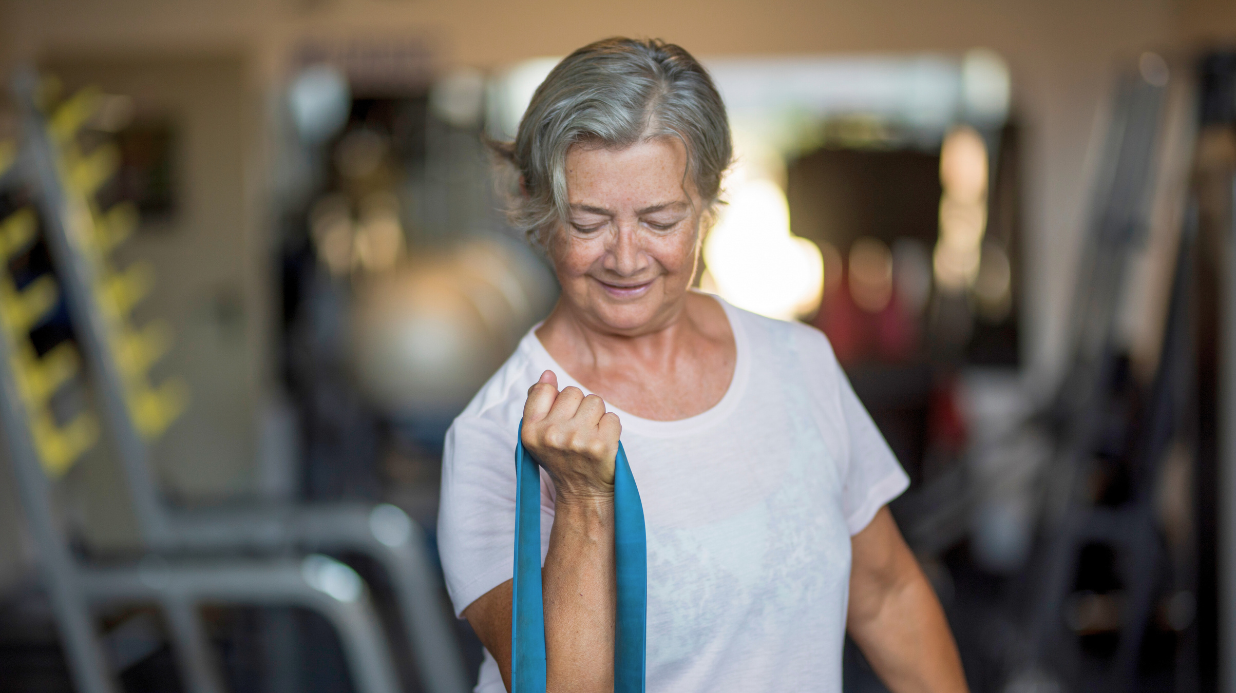
As we get older, we naturally lose muscle if we don't do anything to counteract it. Decades ago, it was believed that older adults couldn't gain muscle faster than they lost it. But since at least the 1990s, study after study has shown that simply isn't true
Is Spinal Flexion Safe if You Have Osteopenia or Osteoporosis?
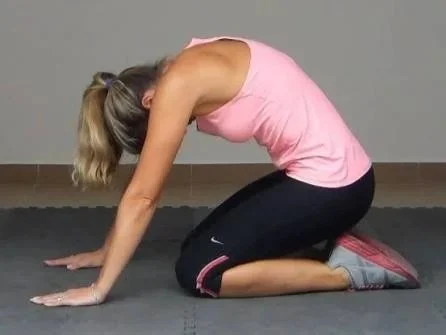
If you've been diagnosed with osteopenia or osteoporosis, you've probably heard that you should stop flexing your spine. Flexion means rounding forward. You may have also heard that you should avoid twisting.
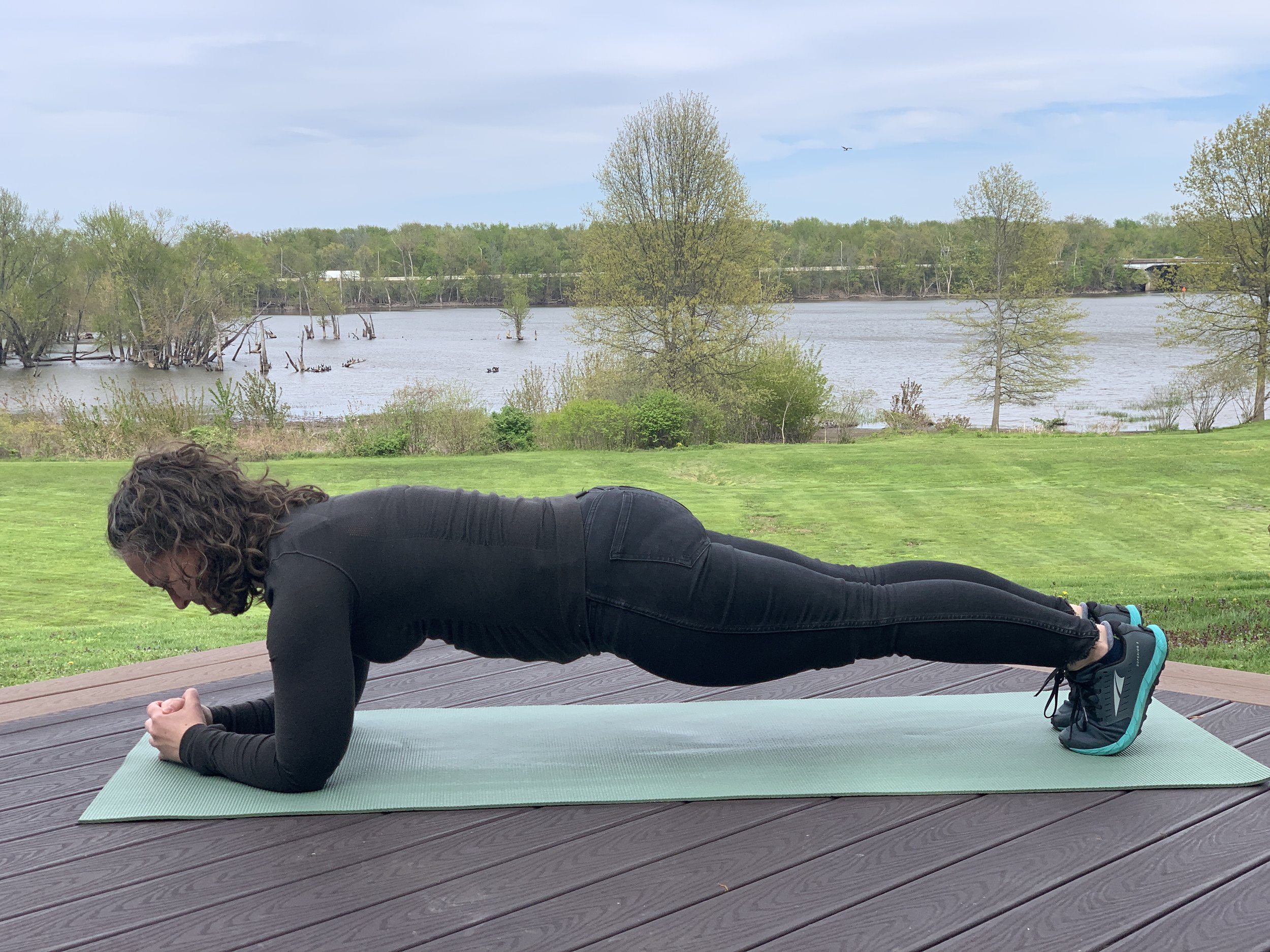
Five moves that cover many of the body's essential movement patterns while helping counteract the effects of a typical day of sitting, standing, and repetitive movement.
Body & Movement
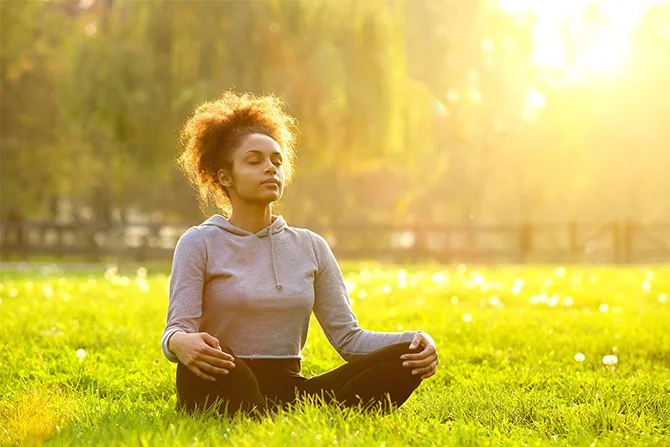
There are lots of reasons that keep us from meditating—a busy schedule, feeling like our mind is too scattered to quiet (that's okay, by the way), finding it boring, or sometimes struggling to visualize images in our mind's eye in a world where so much meditation is based on visual cues.
If you're the latter, this post is for you.
As we get older, we naturally lose muscle if we don't do anything to counteract it. Decades ago, it was believed that older adults couldn't gain muscle faster than they lost it. But since at least the 1990s, study after study has shown that simply isn't true
Is Spinal Flexion Safe if You Have Osteopenia or Osteoporosis?
If you've been diagnosed with osteopenia or osteoporosis, you've probably heard that you should stop flexing your spine. Flexion means rounding forward. You may have also heard that you should avoid twisting.
Five moves that cover many of the body's essential movement patterns while helping counteract the effects of a typical day of sitting, standing, and repetitive movement.
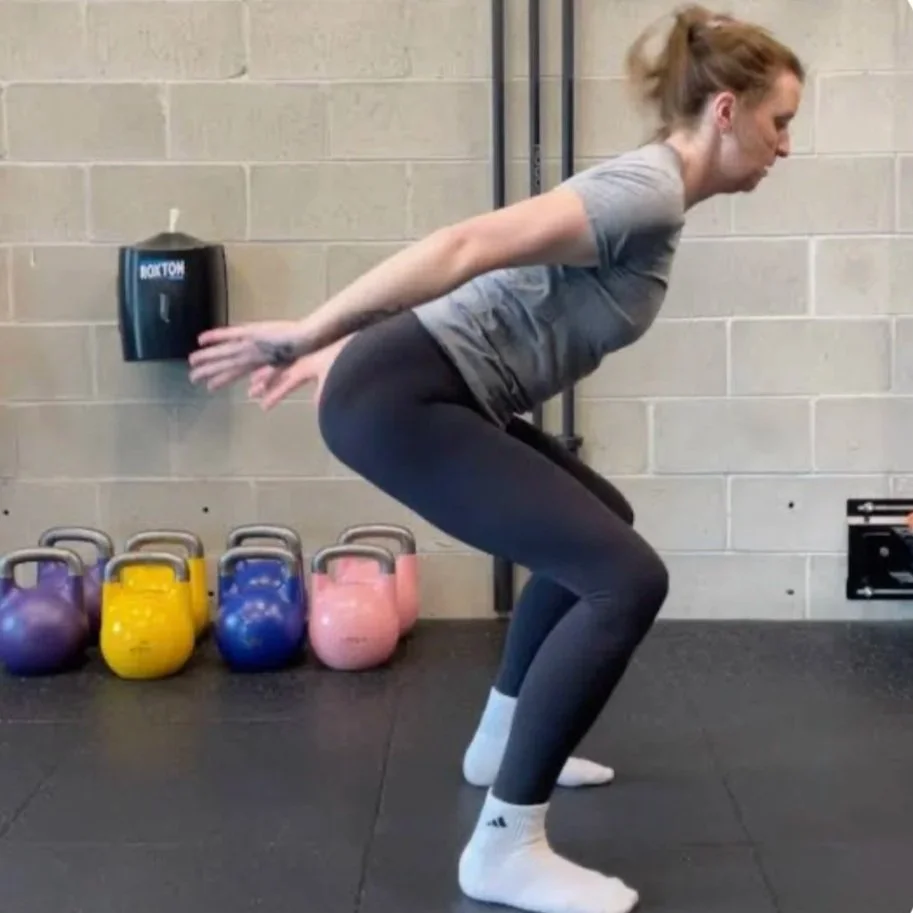
Jumping and bounding are getting a lot of attention for their ability to help build bone density. But when you hear that bounding is good for your bones, you might assume you're supposed to land hard with a slamming or jarring sensation. That's not the case. In fact, you're aiming for the opposite.
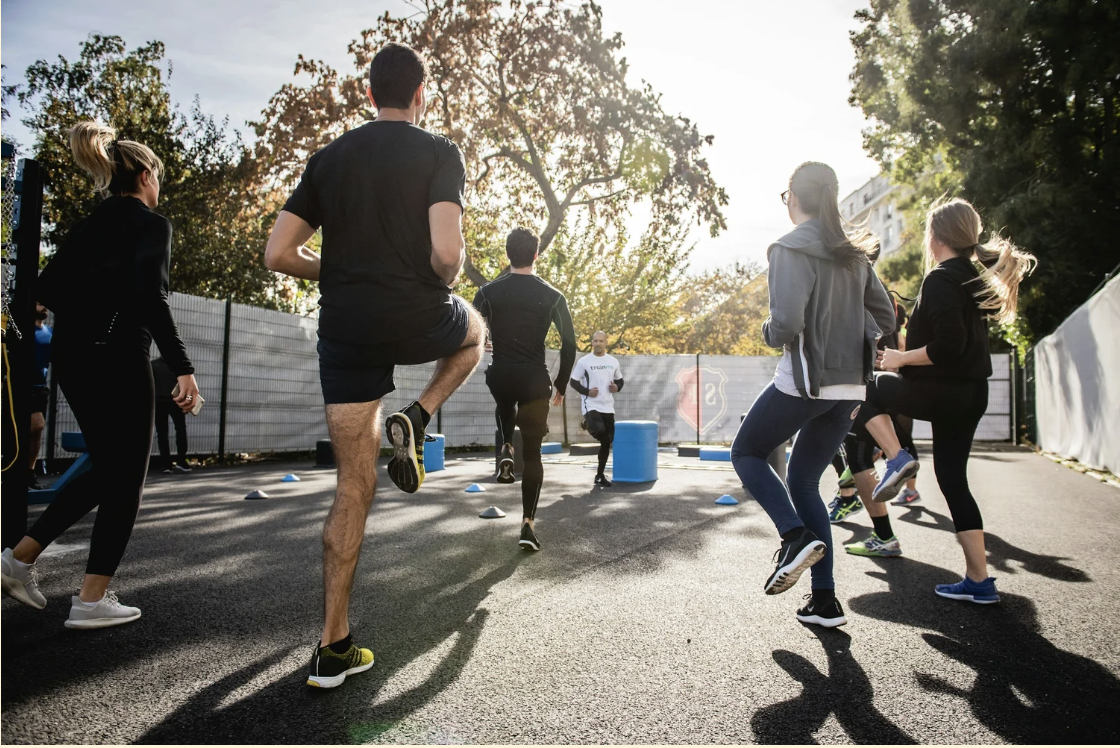
Lately, with the growing emphasis on strength training, I've been seeing messages suggesting that lifting weights is more important than cardio, particularly for perimenopausal women.
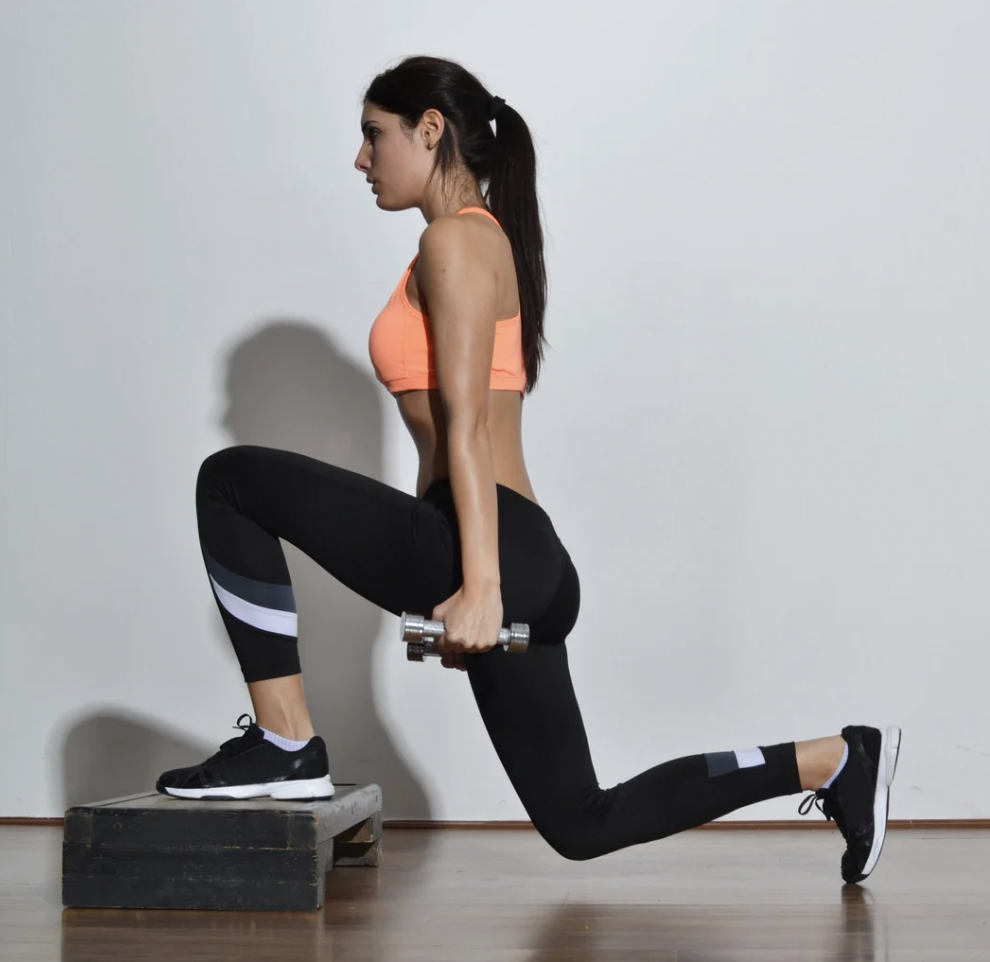
We don’t require heavy weight to stimulate muscle growth—it just makes the process faster and more efficient. Light weights tend to produce the biggest gains in beginners, those recovering from injury, or when working smaller muscle groups. For example, doing leg presses with one pound would take a long time to build quad strength, but using one-pound weights for shoulder work can absolutely make a difference.
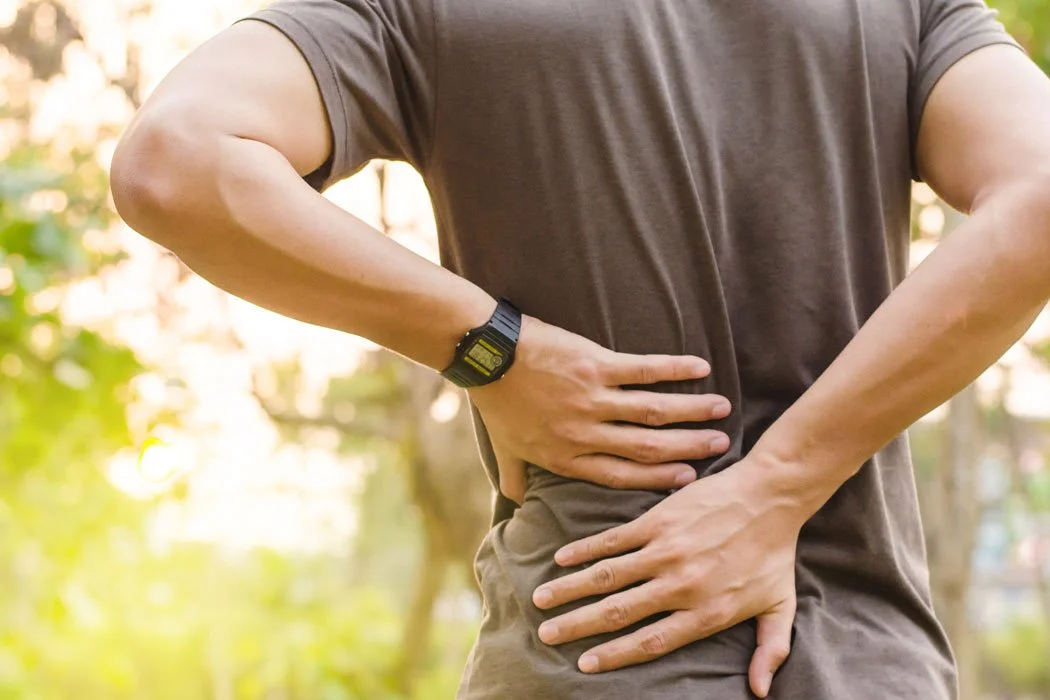
Chronic pain can be draining, and when you're dealing with it, it can feel like it will never end. The good news is that research continues to uncover simple tools that may help reduce chronic pain. Even better, many of these strategies cost nothing and carry very little risk. If you’re living with chronic pain, these techniques may be worth trying.
The Keep Moving Blog
The Personal Euphoria Blog is your go-to space for practical fitness advice, pain-relief tools, mindful movement strategies, and the motivation you need to Keep Moving — in workouts and in life.
Travel
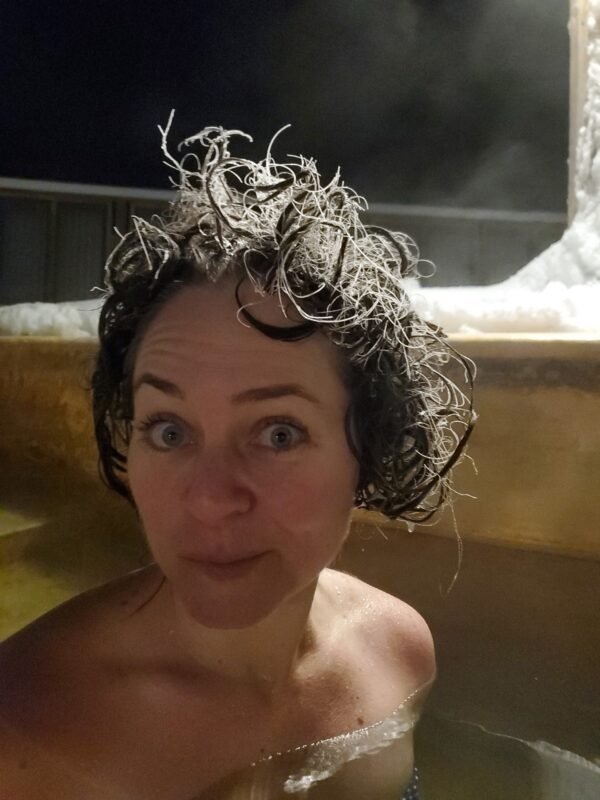
I saw an image of frozen hair styled like a Dr. Seuss character. After following a trail of links I discovered the Crazy Frozen Hair Contest in Whitehorse, Canada.
“Namibia,” the flight attendant said when I asked her where the most beautiful place she’d ever been was. I
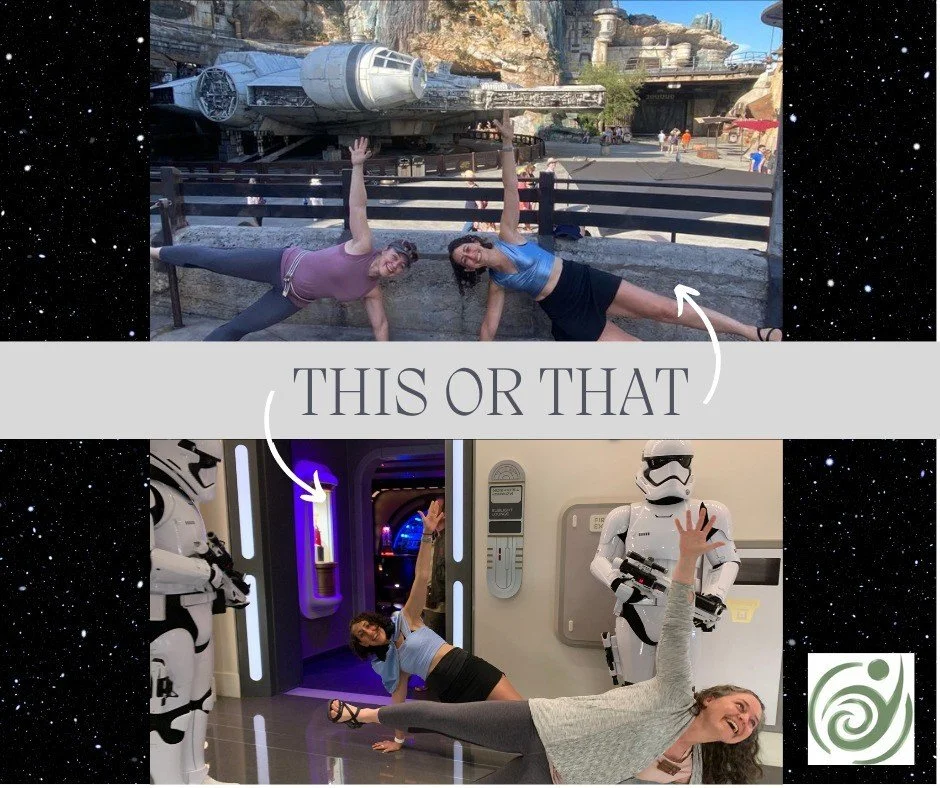
I don’t like Star Wars (un-American, I know). But I love someone who loves Star Wars. So I found myself on the Disney Star Wars Galactic Space Cruiser.
Inspiration For The Day
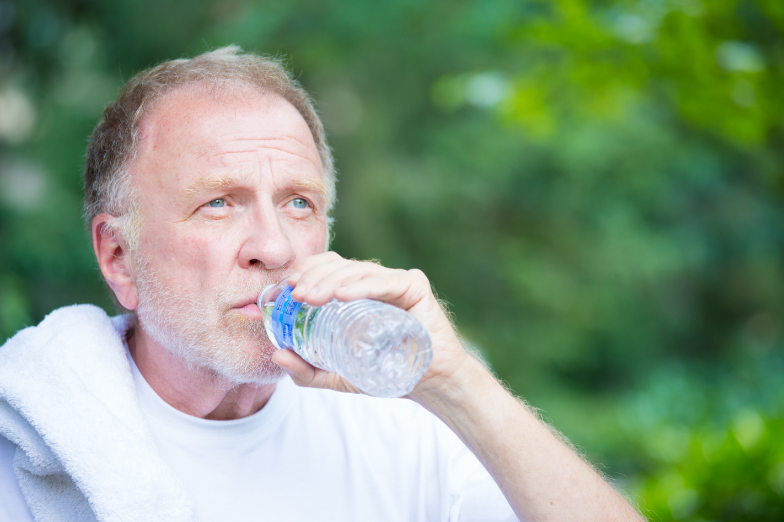
It turns out our thirst mechanism doesn’t work as well when we get older. Around 65 we can’t tell we are thirsty as good as we used to, which can lead to people not feeling thirsty until they are already dehydrated.
The word stress often comes with negative connotations. We tend to think of it as something bad, but stress is actually a tool we can use. In this workshop we will explore ways to manage our level of stress with standard steps of coping such as breathing, meditation, movement or spending time with the people who make you happy. Most importantly, taking a moment to check in with ourselves and ask whether we’re feeling stressed can be incredibly valuable.
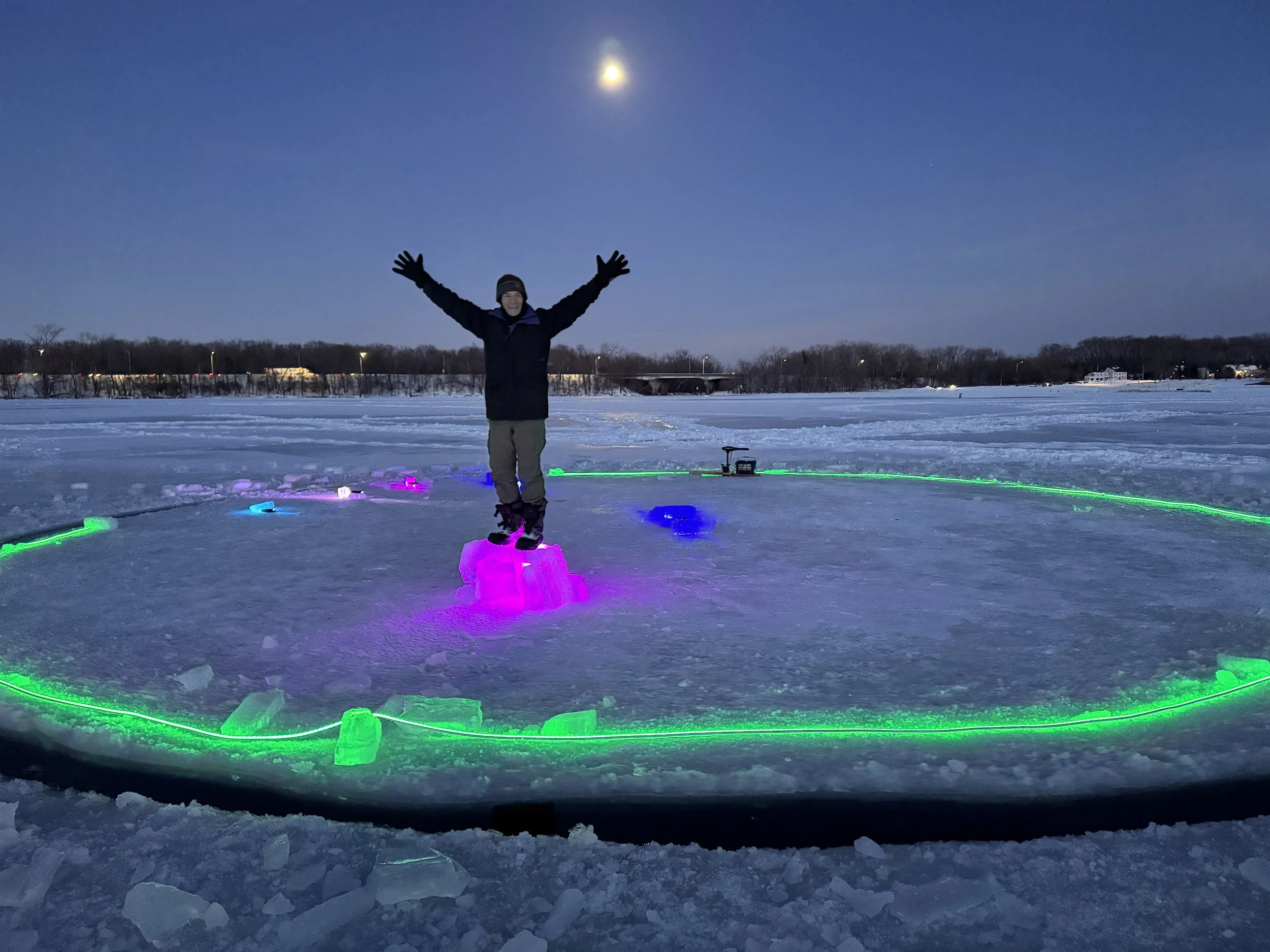
Eleven years ago, we built a multi-colored igloo in the front yard. I had spent two years collecting half-gallon containers to freeze colored water.
Have you ever looked back at a picture of yourself from a few years ago and thought, “I looked good.” But you know that at the time you thought you weren’t good enough.
Sometimes when we have been stressed for a prolonged period of time it can start to feel normal and we forget that we have tools to relieve stress that are available anytime we need them.
When was the last time you laughed while exercising? When was the last time you were excited to get up and move?
At the end of August, I had knee surgery that significantly limited my usual activity. Exercise has always been one of my passions and my main form of stress relief, so I needed a new outlet during a particularly stressful time.

There are lots of reasons that keep us from meditating—a busy schedule, feeling like our mind is too scattered to quiet (that's okay, by the way), finding it boring, or sometimes struggling to visualize images in our mind's eye in a world where so much meditation is based on visual cues.
If you're the latter, this post is for you.