
Good Day Sunshine!
At the end of August, I had knee surgery that significantly limited my usual activity. Exercise has always been one of my passions and my main form of stress relief, so I needed a new outlet during a particularly stressful time.
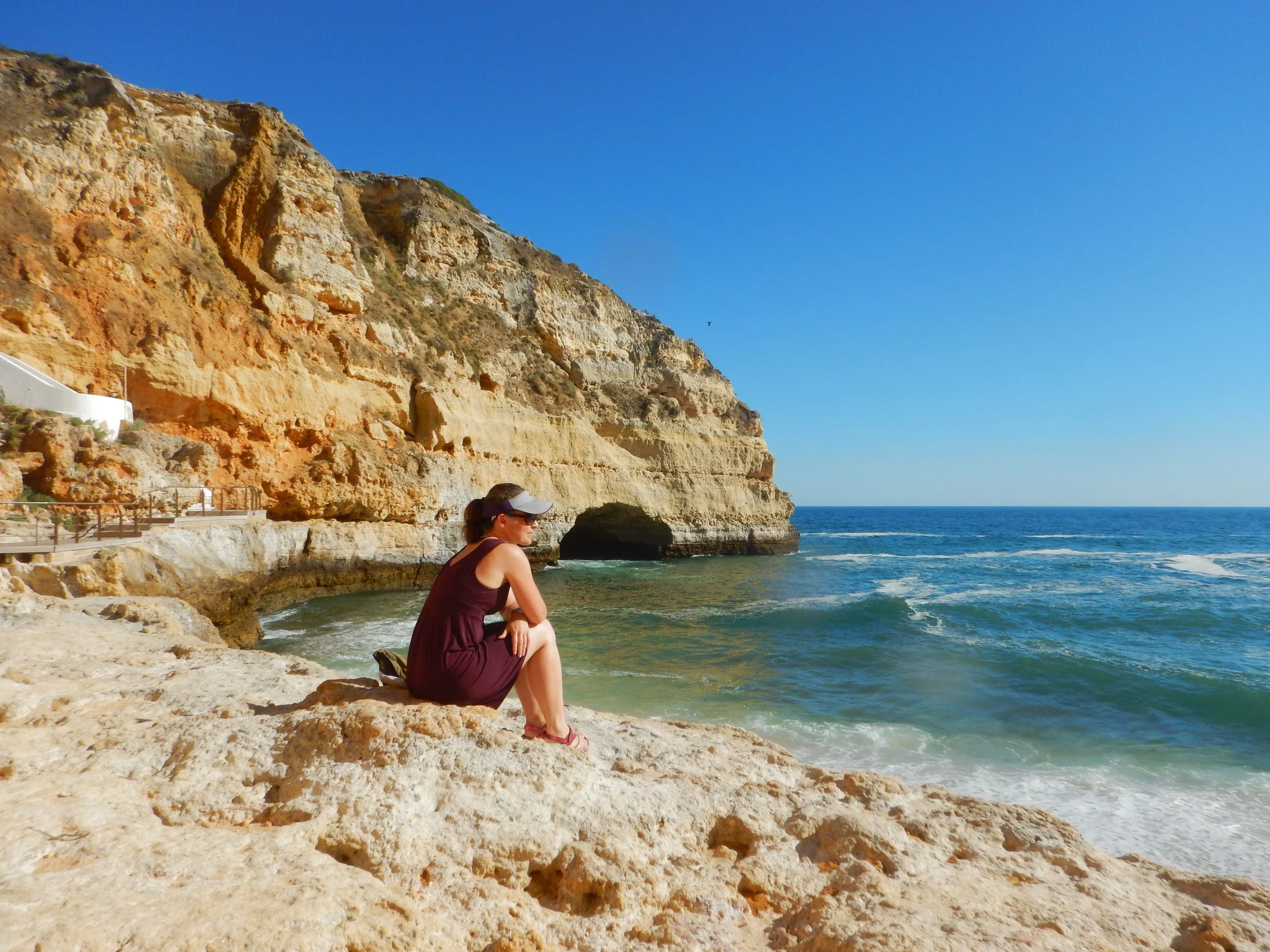
I’d seen the headlines about the benefits of morning sunlight so I started stepping out onto the back deck every day around sunrise. I’d spend 3–5 minutes taking in the scenery, breathing deeply, watching the birds, processing the loss of my dad by talking to him, stretching my upper body, and even saying “good morning” to the sun.
I expected this new ritual to feel like a chore, but instead, I quickly grew to look forward to it. Greeting the day became a few moments of calm before the chaos of daily life. The fresh air felt revitalizing and healthy, and closing my eyes while letting the sun touch my face felt comforting.
You may have heard the hype about morning sunlight—supposedly it improves sleep, supports your circadian rhythm, and enhances mood. But how much do we really know? There are human studies using natural sunlight, some research on animals (which doesn’t always translate directly to humans), and other studies using artificial light as a sunlight substitute. Even with these limitations, here’s what the research suggests about why stepping outside earlier in the day may be beneficial:
Supports circadian rhythm and sleep quality
Timing matters: Any daylight is helpful, but exposure before 10 a.m. seems most impactful, with afternoon light (after 3 p.m.) being second best
No need to stare at the sun: Just being outside may be enough—take a walk, go outside when you let the dog out, eat breakfast outdoors—but avoid sunglasses if possible. Early morning light before the sun is too bright is ideal. NEVER look directly at the sun.
Duration: About 30 minutes seems to be the sweet spot; short bursts (like 5 minutes) may help. Most studies test 30-minutes so they know that makes a difference, but less might work too.
Consistency is key: One day isn’t enough—you need a routine
Even cloudy days help: You may just need more time
Noticeable benefits: Most people see results within 2 weeks
The beauty of this is that it’s free and virtually risk-free. As long as you never look directly at the sun, the biggest risk is potential skin exposure—but early and late sun are generally safer for your skin.
Anecdotally, I do feel my sleep has improved. I fall asleep earlier than before I started this experiment—not something I expected. My mood feels better too.
Andrew Huberman, Associate Professor of Neurobiology and Ophthalmology at Stanford University, lists morning sunlight as one of the top five things you can do for mental and physical health. I must note another one of his top five tips is to KEEP MOVING.
He explains that early morning rays increase morning cortisol levels—a good thing—which helps focus, supports the immune system, and prepares the body for sleep later that night. Huberman recommends 5–10 minutes outside on sunny days, 15–20 minutes on cloudy days, and following up later in the day with more daylight exposure. Studies suggest that afternoon sunlight can also improve sleep, though not quite as much as sunrise light.
For me, this simple practice makes me happy and I really look forward to greeting the day. I hope you’ll try it and let me know how you feel.
Here’s Andrew Humberman describing the benefits of early morning sunlight exposure in his own words: