
Yes, 1-pound weights CAN build muscle!If you use them the right way.
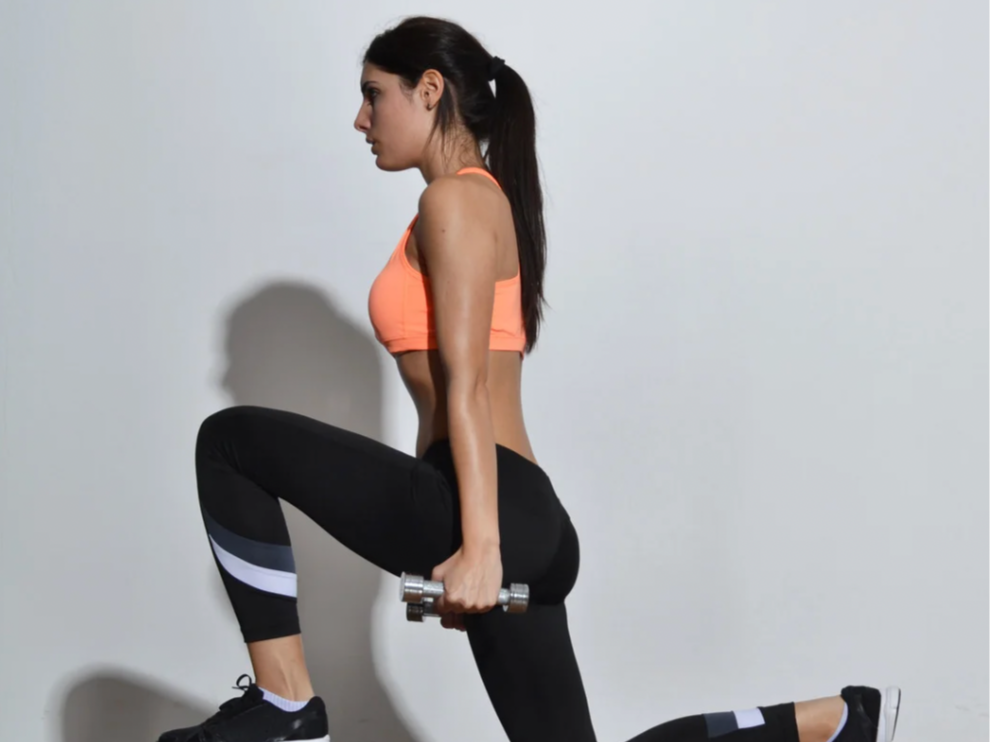
One-pound weights can build muscle. We don’t require heavy weight to stimulate muscle growth—it just makes the process faster and more efficient. Light weights tend to produce the biggest gains in beginners, those recovering from injury, or when working smaller muscle groups. For example, doing leg presses with one pound would take a long time to build quad strength, but using one-pound weights for shoulder work can absolutely make a difference.
Using light weights requires more repetitions, which means more time under tension and working to the point of fatigue. Light weights primarily stimulate Type I muscle fibers (endurance), but they can also recruit Type II fibers—you just have to push to fatigue. If you don’t reach fatigue, strength gains are less likely.
While not required, emphasizing the eccentric phase (the lowering portion of the movement) can help you reach fatigue faster. Try slowing down the movement as the muscle lengthens.
Higher reps with one-pound weights will improve muscular endurance while still creating a nice muscle shape.
Exercises to Try with 1-lb Weights
Shoulders: Lateral Raise (targets the deltoids—smaller muscles that fatigue quickly)Stand with feet shoulder-width apart, holding 1-lb weights at your sides, palms facing forward. Raise your arms out to the sides to shoulder height (like a “T”), then lower. You can lower at a regular pace or slow the descent to a 5-count. - Repeat: 3 sets of 15 or until fatigue.
Shins: Foot Raises (targets the tibialis anterior—important for a healthy gait)Wrap 1-lb ankle weights around the ball of your foot. Sit with knees bent and feet on the floor. Lift the front of your foot (keeping your heel down) as high as possible, pause briefly, then lower. - Repeat: 3 sets of 15 or until fatigue.
External Rotation (targets the rotator cuff—small, responsive muscles)
Lie on your side with a pillow under your head, hips and knees bent to 90 degrees. Hold a 1-lb weight in your top hand. Keep your elbow tucked into your side at 90 degrees, palm facing down. Rotate your forearm upward toward the ceiling or as far as comfortable, then lower. - Repeat: 3 sets of 15 or until fatigue.
Move gently—these muscles respond quickly and don’t need heavy loading.
Final Tip
The key to progress with light weights is fatigue—not agony. You should feel like you can’t do another rep with good form, not like you’re in pain.
To get there faster, try:
Adding small pulses
Holding the contraction (e.g., hold the “T” position in a lateral raise)
Slowing down your reps
Light weights can take longer, so put on good music and enjoy the process. Exercise should challenge you—but it should also feel good. Fatigue means the muscle is tired and has done its job—not that you’re suffering.