
Tips for What to Expect & What to Ask About Your Upcoming Surgery
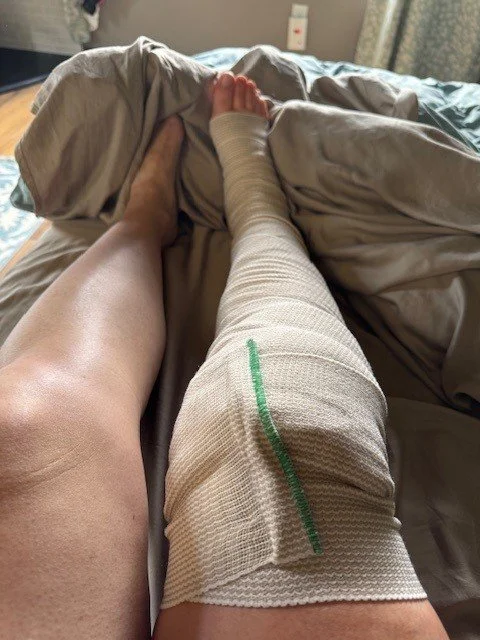
After a recent knee surgery, I learned a few things I wished I’d known beforehand. Here are some of my suggestions to prepare for an upcoming surgery.
1. Minor Surgery
It’s helpful to have perceptive on a surgery. Some are more significant than others. Some require longer recovery. But when someone cuts you open and mucks around inside it probably won’t feel minor to you.
2. Ask Lots of Questions
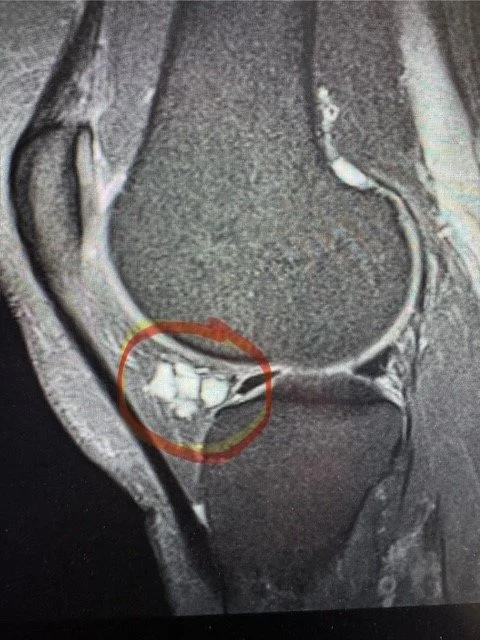
This tip might be person or procedure dependent. But if information is helpful to you, ask about everything you need to know. I think surgeons can easily fall into the trap of surgery being so standard, they aren’t always thinking about the fact the patient likely doesn’t fully understand what’s coming. I didn’t realize I was going to get belted down to the table, for example. When I awoke I was wrapped from mid-thigh to ankle. I’m sure that’s just the way to wrap a knee but it looks worse to a patient who wasn’t expecting that.
Some helpful questions might be:
Take me through the surgery day? What will happen?
What should I expect when I wake up?
What level of pain is to be expected? How long should I expect that to last?
How many days will I need someone available to help me?
What are the stages of recovery? These are my goals for recovery. When can I expect to return to X (running, swimming, kneeling, etc.).
Will I need PT? When will that start? Will I be provided PT at home or need to go out for it?
When can I shower, drive, any typical life tasks you’d hope/need to do?
What restrictions will I have post surgery? How long will they last?
When can I expect to walk and what does that mean? From the couch to the bathroom? Take a walk?
How much movement and what movement is safe in the first couple days?
3. Shower
Chances are you won’t be able to shower for a few days. And even if you can, it will likely be a little more challenging. So get clean and wash your hair. Nothing makes you feel human like a shower. If you enjoy a bath, that might be off limits for longer if you have to be mindful of wound care. So consider a bath. As an added bonus it can be relaxing before a surgery.
4. Crutches or a Walker
For knee, hip, or ankle these are probably good to have. I was supposed to be able to walk immediately after a minor arthroscopic knee surgery, but I couldn’t. Having these handy is helpful. Although I’ve since been told if you find you need them text some friends, someone probably has them. And the local drug store might too.
5. Expect Delayed Pain
I wasn’t in much pain the first 24-hours which includes when the doctor’s office calls to check in. But almost everyone who has had a major surgery told me that’s typical. You’re on so many different meds from the surgery, pain can be delayed. It matters a bit, particularly if you are being told to move according to pain tolerance. Those first 24-hours may not be accurate as to what you can do.
6. Get A Second Opinion
A second opinion is not a statement about your first doctor’s judgement. This is your body. And you can’t undo a surgery. After surgery when you are in pain, you may find yourself having some doubts. Having two expert opinions will actually help provide a sense of trust in the process.
7. Expect A Longer Recovery
It’s my personal experience that a number of surgeons underestimate recovery. I’m not sure if this is because they aren’t fully involved in the recovery process, every patient is so different it’s hard to provide guidelines, or they worry if they are completely honest no one would get surgery, or they could just be concerned the answer would just get in patients’ heads.
Our minds are powerful so perhaps if you suggest the best possible outcome people do get better faster. Perhaps if we used guidelines based on the slowest healing, we’d ultimately delay the process. But I find when patients have goals they expected to meet and don’t make them, it really gets in their head. You get concerned that something is wrong and you start to have doubts about full recovery.
8. It’s Surgery…You’ll Need Time
As patients we can look to surgery as a quick fix or a fast solution to a problem. Sometimes we don’t have another choice. But when you’ve been put under and cut into, your body is suffering an injury it knows you had that your brain doesn’t fully remember. Surgery is so commonplace nowadays (thankfully because of medical advances) that we can tend to minimize surgery. The body will require time to recover. Even if you are getting back to everything you might find you’re more tired. Allow time for breaks in your day for the first few weeks. And give yourself time where you can. If you don’t need it great, but plan for it. It’s easier to fill space then to make it when you need it.
9. Trust the Process
I’m torn on this statement. There are moments where you need to trust the process. You’ve just got to remind yourself this is temporary and you’ll get on the other side of it. So trust the process but ask questions, and if the process doesn’t seem to be moving along as you anticipated don’t hesitate to call your doctor. Ultimately we need to try to figure out when we need to trust the process versus when we need to trust ourselves and something may not be feeling right. If you aren’t following the typical healing pattern that might be okay, but run it by your doctor. The dialogue will help you trust the process.
10. Compression
Obviously, this is surgery dependent so you should talk to your doctor. But compression was one of the most helpful parts of my recovery.
11. Visitors
Line up some friends to stop by for short visits. You may be laid up after surgery but it’s not like you’re sick. Visitors are a great distraction from the discomfort and they just make you feel normal.
12. Ice
There are debates on how effective ice is. But it feels so good. And if you can combine ice and a little compression, it just feels swell. I recommend one of those coolers set up to cycle ice water over an area for a set time. Of course, this is another one where you should make sure your doctor says ice is okay.
13. You Will Not Be Perfect
Yes, after surgery, if you eat really clean, get good rest, and do all your exercises you should have a good recovery. But sometimes you’ll need a break from the exercises. Sometimes you’ll try something you aren’t ready for and might have a little setback. You might eat more ice cream than is healthy for an active individual (something I might know from experience). It’s okay. You need to get through this and you will get there even if you aren’t perfect all the time. Keep charging forward and reach out and ask people for help where you need it. Remember you are not alone in this. Find someone to commiserate with. It really helps when someone can relate.