
Fiber & Cholesterol
I’m officially getting old. I can tell because more conversations than I’d like to admit now involve fiber and cholesterol. And honestly I find myself interested in hearing what’s working for people and how fiber is impacting their health.
After being diagnosed with high cholesterol over a year ago, I’ve had to think about my diet in a different way. I’ve found it’s easier to add something healthy than to eliminate something “bad.” Quite frankly, I think we’re still a little up in the air about which foods are actually the worst for cholesterol.
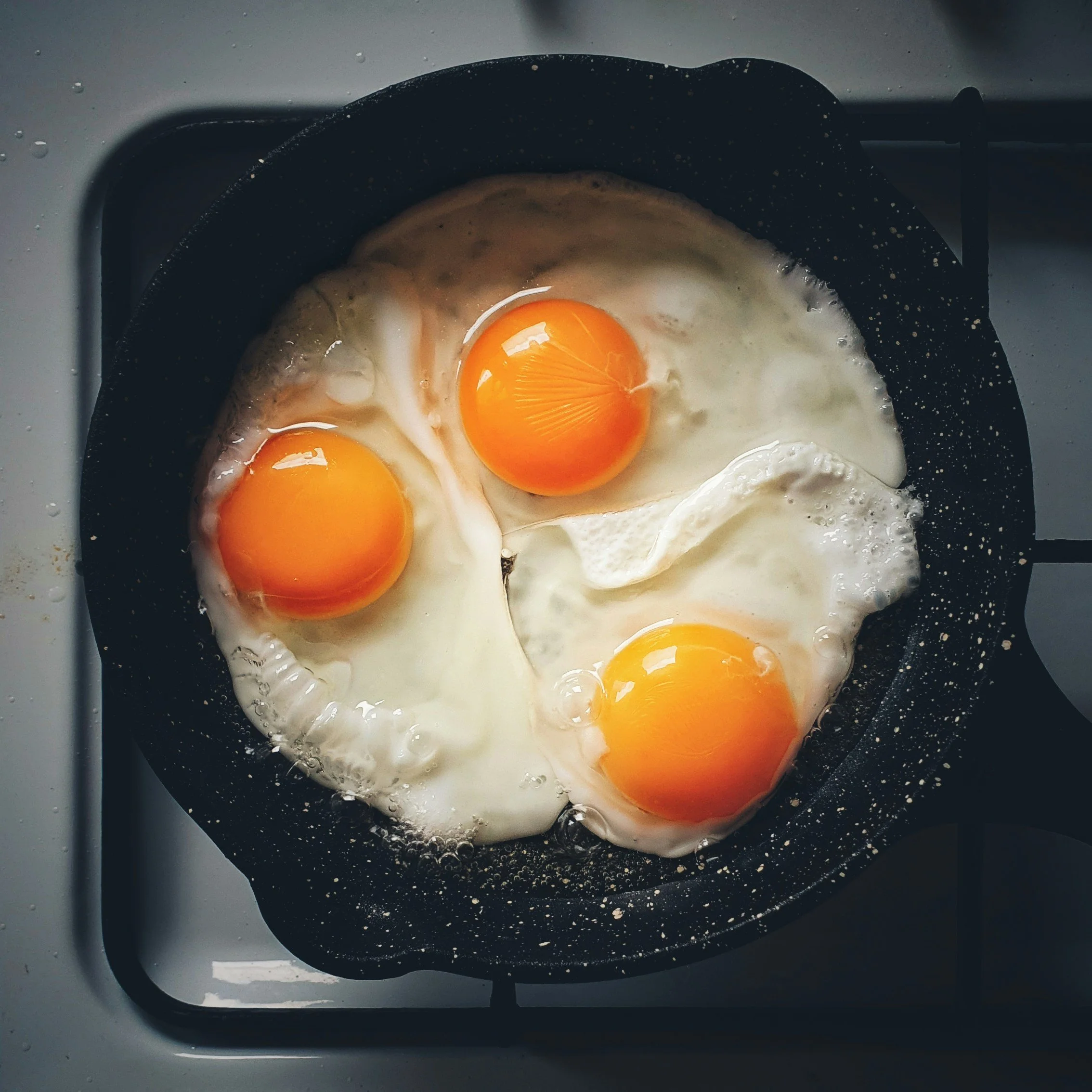
Over a decade ago, I read that foods high in cholesterol (like eggs and shrimp) don’t necessarily raise blood cholesterol—but that high-carb diets might. My cardiologist didn’t seem to agree. He still wanted me to cut back on egg yolks. Personally, I think eggs are a perfect food that deserve to be eaten. Recently, National Geographic published an article suggesting that egg yolks might even lower LDL cholesterol. The truth is, we don’t always know if the things we’ve been saying for years are right. And different diets may work for different people.
What most people seem to agree on lately is that fiber helps lower cholesterol. Eating lots of fruits and vegetables (as many as nine servings a day) has also been shown to reduce inflammation—which, when chronic, can negatively impact cardiovascular health. Fiber also helps keep us full.
Though it pains me, I have reduced my eggs. I used to eat them almost daily. Now I have one egg instead of two, paired with oatmeal and fruit—or overnight oats. I’ve also been trying (imperfectly) to eat a fruit or vegetable at every meal.
Some substitutes I’ve genuinely enjoyed:
Salted edamame in place of chips or crackers
Overnight oats with chia seeds—I love chia so much
Celery with peanut butter (celery has a subtle salty flavor, which makes it a great snack)
Kiwi—it fell off my radar for a while, but it has great flavor and texture
Sometimes I think about what I got away with eating when I was younger. In high school, after field hockey games, we’d stop at McDonald’s. I’d order a burger, chicken nuggets, fries, apple pie, and a shake. I could eat 16 ounces of pasta as a meal. I once ate an entire box of Cap’n Crunch—a rare treat, since my mom didn’t allow sugary cereals in the house.
These days, I couldn’t eat like that even if I wanted to. Any one of those meals would make me feel sick. Sometimes the changes we’re forced to make as our bodies age aren’t entirely bad. We’re nudged toward healthier habits—and often, I find I feel better because of it.
We can bemoan the changes aging requires (and sometimes that venting is healthy), but we can’t get stuck there. If we’re lucky, aging is coming for all of us. I find it helpful to see these shifts as a challenge. Can I eat a vegetable at every meal? When I don’t succeed, why not? What sets me up for success? Usually, it’s planning.
What changes have you had to implement as your body has changed? What has helped you be successful? Do you have tricks for fitting in fruits and vegetables? Have you found yourself enjoying any of the changes?